
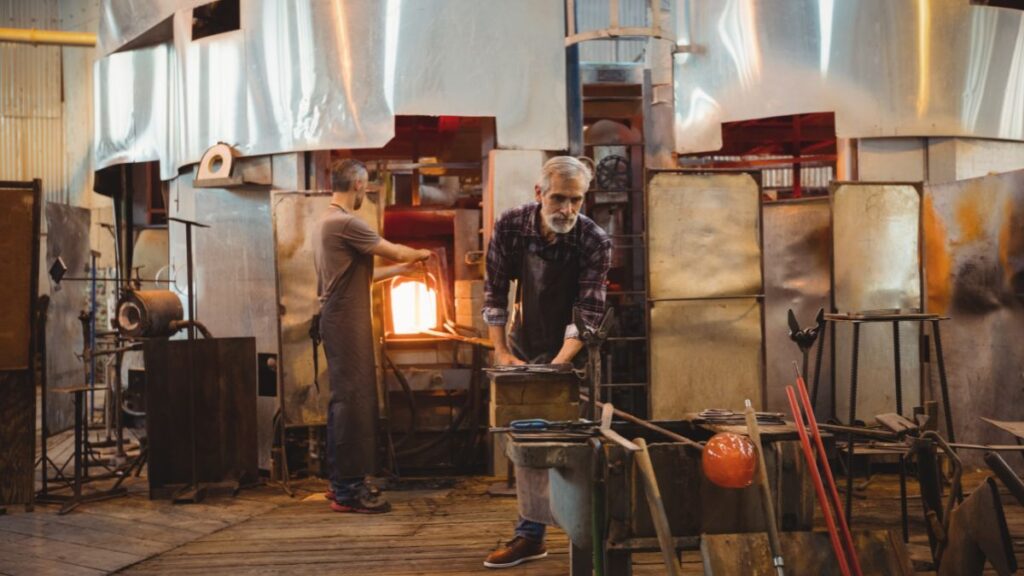
Introduction to Kovových
Welcome to the fascinating world of Kovových, where metal transforms into art through skilled craftsmanship. This blog post takes you on a journey that unveils the rich history and evolution of this unique craft. From its ancient origins to modern-day applications, Kovových has stood the test of time, showcasing human creativity and innovation. Join us as we explore famous artists who have left their mark in this field and discover how traditional techniques are being preserved today. Whether you’re an enthusiast or just curious about metal artistry, there’s plenty to uncover in the story of Kovových!
The Origins of Metal Crafting
Metal crafting dates back thousands of years, rooted in humanity’s desire for innovation. Early civilizations discovered the ability to manipulate copper and gold, laying the groundwork for a new era of craftsmanship.
The earliest metal tools were functional yet beautiful. They served practical purposes while showcasing artistic expression. Ancient artisans honed their skills, experimenting with various techniques like casting and forging.
As societies progressed, so did metalworking methods. The introduction of bronze around 3500 BC transformed tool-making and weaponry. This marked a significant leap in technology and artistry.
Cultures across the globe embraced metal crafting differently. From intricate jewelry in Mesopotamia to robust weapons in ancient China, each region contributed unique styles and techniques that enriched this evolving craft.
These early beginnings set the stage for what would become Kovových—a celebration of creativity through metalwork that continues to inspire today’s artists.
Evolution and Development of Kovových
The journey of Kovových is marked by innovation and adaptation. As metal crafting techniques evolved, artisans explored new tools and materials. This evolution expanded the possibilities in design and functionality.
During the Middle Ages, Kovových saw significant advancements. Blacksmiths began to experiment with alloys, creating stronger metals that could withstand various uses – from weapons to intricate decorative pieces.
The Renaissance sparked a revival in artistry within Kovových craftsmanship. Artists infused their work with creativity, seamlessly blending form and function. The intricate details on items like gates and railings showcased artistic expression alongside practicality.
With the Industrial Revolution came mass production methods that transformed Kovových practices yet again. While efficiency increased, many traditional techniques faced risk of fading into obscurity as machines took over manual processes.
Despite these changes, passionate craftsmen continued to uphold age-old traditions while incorporating modern technology into their work, ensuring a dynamic future for Kovových craftsmanship.
Famous Kovových Artists and Their Works
Throughout history, Kovových has been shaped by the vision and skill of remarkable artists. Each one brought a unique perspective to metal craftsmanship, pushing boundaries and redefining what is possible.
One iconic figure is Jan Štursa, known for his expressive sculptures that blend form with emotion. His works often explore human experiences through intricate metal designs.
Another noteworthy artist is Barbara Tonderova, who specializes in contemporary interpretations of traditional techniques. Her innovative pieces reflect modern aesthetics while honoring time-honored practices.
The vibrant community of Kovových artisans continues to thrive today. They draw inspiration from their predecessors but also infuse fresh ideas into their creations. This ongoing dialogue between past and present keeps the art form alive and evolving.
Every piece tells a story—a connection forged in metal that resonates with viewers on many levels. The legacy of these artists lives on, inspiring new generations to explore the world of Kovových.
Modern Applications of Kovových
Kovových has found its place in various modern industries, showcasing both utility and artistry. Designers are increasingly incorporating metal craftsmanship into contemporary furniture. Sleek tables and intricate light fixtures often blend Kovových techniques with minimalist aesthetics.
In fashion, Kovových elements add a unique touch to accessories. Jewelry makers use metalworking methods to create stunning pieces that stand out in today’s market. These items not only reflect personal style but also tell a story of tradition.
Architecture is another area where Kovových shines. Buildings now feature striking metal facades that combine durability with artistic expression. This fusion elevates urban landscapes while honoring time-tested craftsmanship.
Even in technology, manufacturers utilize advanced Kovových processes for precision components. The balance between innovation and traditional techniques exemplifies the versatility of this ancient art form in our fast-paced world.
Preservation and Revival of Kovových Techniques
The preservation of Kovových techniques is crucial in safeguarding this intricate art form. Craftspeople are increasingly recognizing the value of traditional methods, passing them down through generations.
Workshops and masterclasses are popping up worldwide. These gatherings allow novices to learn from seasoned artisans, ensuring that centuries-old skills don’t fade away.
Additionally, communities are collaborating with museums to showcase historical pieces. This helps cultivate appreciation for Kovových craftsmanship among younger audiences.
Social media plays a pivotal role too. Artists can share their work and techniques online, inspiring a global movement towards revival.
By embracing both tradition and innovation, the future of Kovových looks promising. The blend of age-old practices with modern creativity sparks new possibilities for this timeless craft.
Conclusion: Celebrating the Rich History of Kovových
The journey of Kovových reflects a rich tapestry woven through time. From its ancient origins to the modern interpretations, metal craftsmanship has played a pivotal role in shaping cultures and societies. The artistry of renowned Kovových artists showcases the immense talent that continues to inspire both collectors and enthusiasts alike.
As we look at the present landscape, it’s clear that Kovových techniques are experiencing a revival. Many artisans are committed to preserving traditional methods while infusing contemporary designs into their work. This synthesis keeps Kovových alive and relevant in today’s world.
The appreciation for Kovových serves as a reminder of our shared heritage and creativity. Each piece crafted tells a story—a testament to human ingenuity, resilience, and beauty across generations. Embracing this history enriches not only our understanding but also our connection to art itself.
Celebrating the legacy of Kovových is essential for future generations who will continue this age-old tradition with fresh eyes and innovative ideas.