
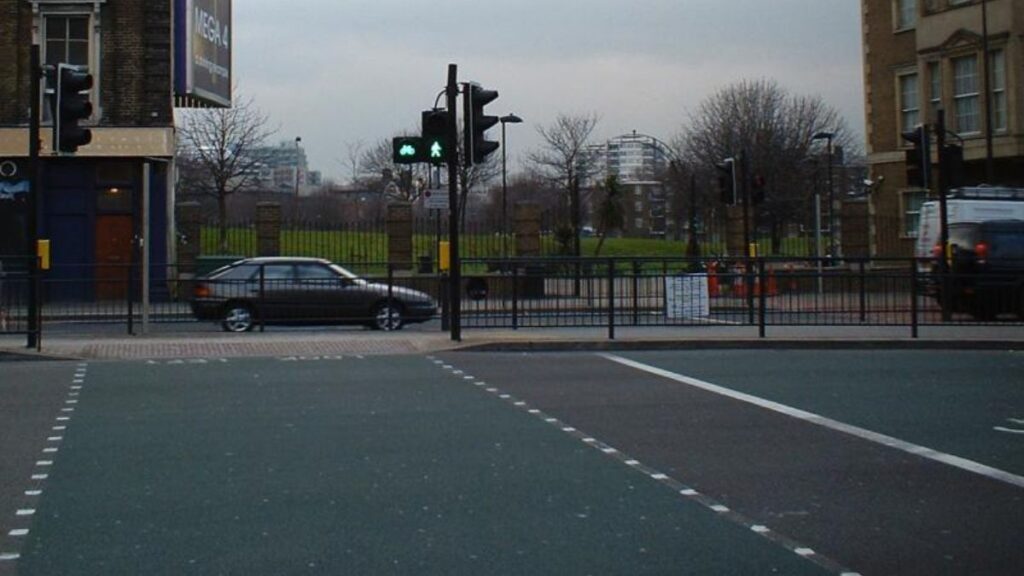
Imagine strolling through a vibrant urban area, surrounded by bustling streets and the sounds of life. Suddenly, you spot a unique crossing designed not just for people on foot or cyclists but also with our feathered friends in mind. Welcome to the world of toucan crossings! These innovative pedestrian facilities are more than just traffic management solutions; they represent a commitment to protecting wildlife while keeping us safe.
As cities expand and roads intertwine with nature, it becomes essential to find ways to coexist with the creatures that share our environment. Toucan crossings serve as a bridge between human activity and wildlife conservation, offering an exciting glimpse into how urban planning can evolve. Join us as we explore what these fascinating structures are all about and discover their role in safeguarding both pedestrians and our avian companions.
What is a Toucan Crossing?
A toucan crossing is a specially designed pedestrian facility that allows cyclists and walkers to safely navigate busy intersections. Unlike traditional crossings, these are tailored for both humans and non-motorized vehicles.
The design features a wider pathway where pedestrians can move alongside cyclists. This creates a more inclusive environment, encouraging shared use of space without compromising safety.
Toucan crossings are often marked with distinctive signage, signaling drivers to slow down and be alert. Their layout typically includes controlled traffic signals that manage the flow of both vehicles and people effectively.
These crossings represent an innovative approach to urban planning, emphasizing the need for safe travel options in increasingly crowded areas. Not only do they enhance mobility, but they also foster awareness around wildlife conservation by promoting coexistence between nature and urban living.
The History and Purpose of Toucan Crossings
Toucan crossings emerged in the UK during the late 20th century. They were designed to address the growing need for safer pedestrian and cyclist routes across busy roads.
Named after the colorful bird, these crossings symbolize harmony between urban infrastructure and wildlife protection. The concept was simple: create a space where pedestrians and cyclists could cross safely without compromising their movement.
As cities expanded, traffic increased, leading to more accidents involving vulnerable road users. Authorities recognized that traditional crossings weren’t adequate for this rising concern. Toucan crossings offered a solution by allowing both groups to traverse streets simultaneously.
The design incorporates innovative signals that alert drivers while providing clear pathways for those on foot or bikes. This dual-purpose functionality reflects a commitment to fostering sustainable transport options while ensuring safety in our communities.
How Toucan Crossings Protect Pedestrians and Cyclists
Toucan crossings serve as vital safety zones for both pedestrians and cyclists. Unlike traditional crosswalks, they allow these two groups to navigate busy streets simultaneously. This feature significantly enhances accessibility.
When a toucan crossing is activated, traffic lights change to halt vehicles, providing a clear signal for safe passage. The design encourages more people to cycle or walk rather than rely on cars.
Moreover, toucan crossings are often equipped with tactile paving and audible signals. These features help visually impaired individuals safely traverse the roadway.
By promoting walking and cycling in urban areas, toucan crossings contribute to reduced vehicle congestion. They create an environment that prioritizes human mobility over motorized transport.
This thoughtful approach fosters healthier lifestyles while enhancing road safety for everyone involved.
Challenges and Controversies Surrounding Toucan Crossings
Toucan crossings have sparked debates among urban planners and wildlife advocates. Some argue that these crossings can create confusion for drivers, particularly in areas with heavy traffic. The lack of clear signage can lead to accidents, raising concerns about their effectiveness.
Another issue lies in the funding and maintenance of toucan crossings. Budget constraints often mean that some installations are neglected, leading to wear and tear over time. This puts both pedestrians and cyclists at risk.
Critics also point out that while toucan crossings benefit certain species, they may not address broader environmental issues like habitat destruction or fragmentation. There’s a growing call for more comprehensive strategies to protect wildlife rather than relying solely on specific crossing designs.
Public perception plays a role too; many people remain unaware of how these crossings function or why they’re important for both humans and animals alike. Education is key to bridging this gap.
Tips for Using a Toucan Crossing Safely
Toucan crossings are designed to enhance safety for both pedestrians and cyclists. To make the most of these facilities, always approach with caution.
Before stepping onto the crossing, look both ways. Even though traffic signals control vehicle movement, it’s smart to ensure no vehicles are approaching unexpectedly.
When using a bike, signal your intent clearly. This way, drivers can anticipate your movements better.
Stay alert while on the crossing itself. Maintain eye contact with any nearby drivers or cyclists to reinforce awareness on all sides.
If you’re accompanied by children or pets, hold their hands tightly. Ensure they understand how to use the crossing correctly before proceeding.
Be patient if traffic is heavy; waiting might seem tedious but ensures everyone’s safety in busy areas where toucan crossings are often located.
Innovations and Future Developments in Toucan Crossing Technology
Recent advancements in technology are transforming the way Toucan Crossings operate. Smart traffic management systems now use sensors to detect pedestrian and cyclist presence, improving safety and efficiency.
These innovations allow for real-time data collection, helping city planners optimize crossing locations and timings based on actual usage patterns.
Integrating AI can enhance alert systems too, providing visual or auditory signals when pedestrians approach a crossing. This not only benefits humans but also helps reduce wildlife collisions.
Moreover, there’s potential for sustainable materials in constructing crossings that blend seamlessly with the environment. Eco-friendly designs encourage wildlife preservation while maintaining urban infrastructure.
Future developments may include solar-powered lights at crossings, making them more energy-efficient and visible at night. As cities evolve towards smarter infrastructure, Toucan Crossings will likely become safer havens for both people and birds alike.
The Global Impact of Toucan Crossings on Wildlife Conservation
Toucan crossings play a vital role in wildlife conservation by creating safe passages for both pedestrians and animals. These innovative crossings help minimize roadkill incidents, particularly among vulnerable species.
With the increasing urbanization of habitats, toucan crossings are becoming essential. They allow wildlife to navigate busy roads without jeopardizing their safety. This promotes biodiversity in urban areas where natural corridors have been disrupted.
More than just a crossing point, they raise awareness about environmental protection. Communities become more engaged in local conservation efforts when they see these structures promoting coexistence with nature.
Furthermore, as cities adopt this model, toucan crossings can inspire similar initiatives globally. This ripple effect encourages other regions to prioritize animal welfare alongside infrastructure development, fostering a culture of respect for all living beings.
Conclusion
Toucan crossings are more than just pedestrian and cyclist safety measures; they symbolize the growing awareness of wildlife conservation in urban planning. By integrating these innovative crossings into our cities, we create environments where both people and animals can coexist harmoniously. The understanding of how toucan crossings function contributes to better infrastructure that prioritizes the well-being of all species.
As cities continue to evolve, it’s important for communities to recognize the benefits these crossings bring. They not only enhance road safety but also serve as a reminder of our responsibility toward nature. With advancements in technology and increased public awareness, toucan crossings have the potential to make a lasting impact on both urban lifestyles and wildlife preservation efforts.
As you navigate your way through city streets equipped with toucan crossings, remember their purpose extends beyond mere convenience—they play a crucial role in protecting our feathered friends while promoting safer travel for everyone involved.