
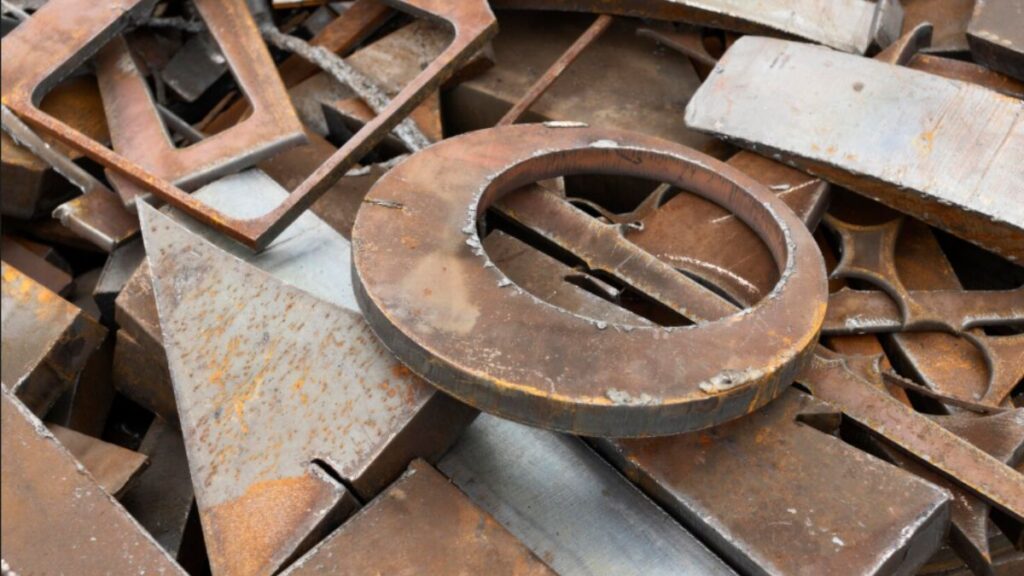
Introduction to Kovových
Kovových is a term that may not be familiar to everyone, yet it plays a significant role in various industries. This unique metal has carved out its own niche, distinguishing itself from more commonly known metals like steel and aluminum. But what exactly is Kovových? And why should you care about it?
As we dive into the intriguing world of Kovových, you’ll discover its rich history, remarkable properties, and how it’s reshaping modern applications. From construction to technology, this metal’s versatility is astounding. Join us on this journey as we explore what sets Kovových apart from other metals and uncover its potential impact on our future.
History and Origins of Kovových
Kovových has roots that trace back to ancient civilizations. Early metalworkers experimented with various alloys, seeking durability and functionality. This quest led to the discovery of Kovových as a versatile material.
Historically, cultures across Europe and Asia embraced its unique properties. Artisans crafted tools and weapons from this metal, recognizing its strength compared to others available at the time.
The name “Kovových” itself stems from old Slavic terms for metals, highlighting its significance in regional craftsmanship. Over centuries, advancements in metallurgy refined techniques used in working with Kovových.
This journey through time illustrates not just a material’s evolution but also humanity’s ingenuity in adapting resources for practical use. Today’s applications reflect that rich heritage while pushing boundaries into modern innovation. As industries continue to evolve, so does our understanding of Kovových’s role within them.
Properties and Characteristics of Kovových
Kovových is known for its unique blend of strength and versatility. This metal exhibits exceptional durability, making it resistant to wear and tear over time.
The lightweight nature of Kovových sets it apart from heavier metals like iron or lead. This property allows for easier handling and application in various industries.
Its excellent conductivity also plays a crucial role in electronics. Kovových efficiently conducts heat and electricity, which opens doors to innovative technological solutions.
Moreover, this metal boasts impressive corrosion resistance. It maintains its integrity even in challenging environments, reducing maintenance needs.
Aesthetic appeal is another characteristic that enhances its desirability. With a sleek finish, Kovových can be used in designs where appearance matters as much as functionality.
These properties make Kovových not just practical but also appealing across multiple applications. Its adaptability continues to drive interest among manufacturers and designers alike.
Common Uses of Kovových
Kovových is gaining traction in various industries due to its unique properties. One notable application is in construction, where it offers strength without excessive weight.
Its corrosion resistance makes Kovových ideal for outdoor structures. Bridges and railings benefit from this longevity, offering safety while requiring less maintenance.
In the automotive sector, manufacturers are turning to Kovových for lightweight components that enhance fuel efficiency. These parts withstand high temperatures and stress, proving essential for modern vehicles.
Kovových also finds a place in electronics. Its conductivity supports efficient energy transfer, making it suitable for wiring and connectors.
Artisans appreciate Kovových as well. Sculptors use it for intricate designs because of its malleability combined with durability.
Advantages and Disadvantages Compared to Other Metals
Kovových stands out in the metal family due to its unique blend of strength and versatility. Its lightweight nature makes it an ideal choice for applications where reducing weight is essential, such as in aerospace engineering.
However, compared to traditional metals like steel or aluminum, Kovových can be more expensive to source and process. This cost factor might deter some industries from fully embracing its potential.
On a positive note, Kovových often exhibits superior corrosion resistance, making it suitable for harsh environments. This property extends the lifespan of products made from this metal.
Yet, while it’s durable, Kovových may not match the tensile strength of heavier metals under extreme stress conditions. Industries need to weigh these pros and cons when selecting materials for specific projects.
Sustainability and Environmental Impact of Kovových
Kovových stands out in the realm of metals due to its remarkable sustainability credentials. This metal is often sourced from recycled materials, reducing the need for extensive mining operations that can harm ecosystems.
Moreover, Kovových possesses a long lifespan, which minimizes waste and the frequency of replacements. Its durability means fewer resources are consumed over time.
The production process also tends to be more energy-efficient compared to other metals. Manufacturers are increasingly adopting eco-friendly practices when working with Kovových, further lowering carbon footprints.
Additionally, Kovových can easily be repurposed at the end of its lifecycle. This adaptability contributes significantly to circular economy initiatives aimed at minimizing environmental impact while maximizing resource use efficiency.
As industries shift towards greener alternatives, Kovových exemplifies a viable solution for sustainable development within various sectors.
Innovations and Future Potential for Kovových
The future of Kovových is promising, driven by ongoing innovations in various industries. Researchers are exploring advanced alloys that enhance strength and reduce weight. This could revolutionize sectors like aerospace, automotive, and construction.
Emerging technologies such as 3D printing are unlocking new possibilities for Kovových applications. Customization becomes easier, allowing manufacturers to create components tailored to specific needs.
Sustainability initiatives also play a vital role in its evolution. Techniques for recycling Kovových materials are improving efficiency and minimizing waste. This aligns with global efforts toward greener manufacturing practices.
Furthermore, the integration of smart technology into Kovových products is on the rise. Sensors embedded within structures can monitor performance and maintenance needs in real-time.
As innovation continues to unfold, the versatility of Kovových will likely expand across numerous fields, enhancing both functionality and environmental responsibility.
Conclusion
Kovových is a unique metal that stands out for its distinct properties and applications. Originating from ancient practices, it has evolved over centuries to become an essential material in various industries today. Its remarkable characteristics, such as strength and corrosion resistance, make it suitable for both everyday items and specialized equipment.
While Kovových boasts several advantages compared to other metals—like lighter weight or enhanced durability—it does come with some drawbacks that must be considered. These factors can influence decision-making in manufacturing and construction sectors.
Sustainability is becoming increasingly important in today’s world. The environmental impact of Kovových is a critical aspect worth discussing as technology advances toward more eco-friendly options.
As innovations continue to unfold, the future of Kovových looks promising. Ongoing research may unlock even more potential uses, making this versatile metal a focal point in modern engineering solutions.
Understanding what sets Kovových apart fosters appreciation for its role in our lives and encourages more informed choices regarding material selection across various applications.