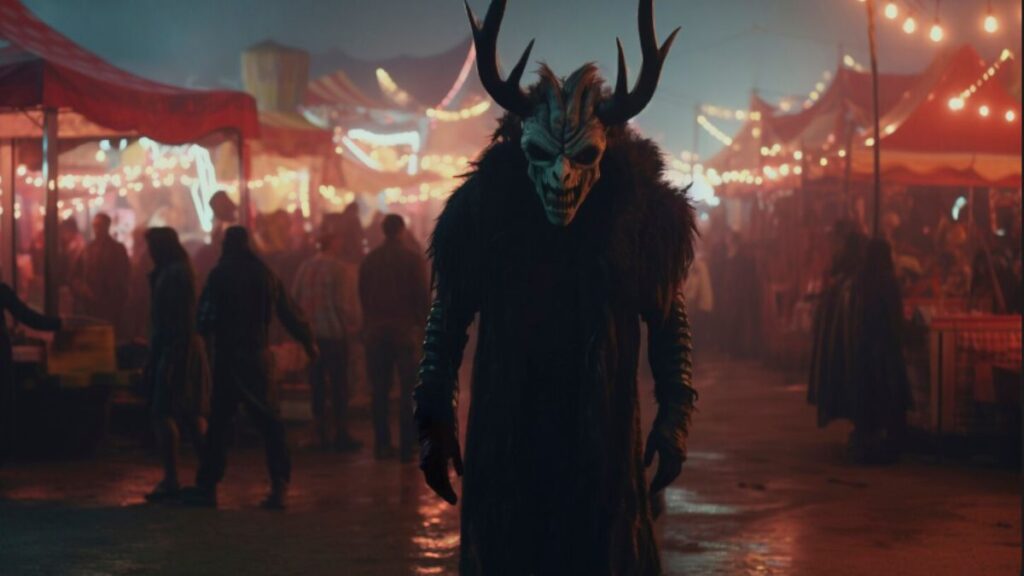
Step into the eerie yet fascinating world of Zombiu Zeme, where folklore intertwines with modern culture. This captivating entity has evolved from ancient tales to become a symbol of fear and intrigue in today’s entertainment landscape. With its roots deeply embedded in mythology, Zombiu Zeme has not only shaped the horror genre but also sparked lively discussions about cultural representation and authenticity. As we unravel this journey from obscure legend to pop culture phenomenon, prepare for an exploration that reveals how this enigmatic figure continues to captivate audiences around the globe.
The Origins of Zombiu Zeme in Folklore
Zombiu Zeme originates from the rich tapestry of Caribbean folklore, particularly within Haitian Vodou traditions. This mythical figure represents the soul of a deceased person who has been resurrected through dark magic.
Local tales describe how these beings wander the earth, caught between life and death. They often embody both fear and fascination for those who share their stories.
In many narratives, Zombiu Zeme acts as a cautionary tale about powerlessness and control. The idea that someone could manipulate another’s spirit evokes deep-rooted fears about loss of autonomy.
These early legends were often intertwined with real societal issues such as colonialism and oppression. As folklore spread across generations, it morphed into something far more complex than its origins suggested, laying the groundwork for modern interpretations in film and literature.
Evolution of the Zombie Mythology
The evolution of zombie mythology traces back to ancient beliefs. Cultures worldwide have long feared the dead rising. This fear manifests in various forms, from vengeful spirits to reanimated corpses.
In the 19th century, Haitian Vodou introduced a distinct interpretation of zombies. Here, they weren’t mindless monsters but victims controlled by sorcerers. This perspective added depth to the notion of zombification as both a curse and a tool for oppression.
As film emerged in the 20th century, so did new representations. George A. Romero’s “Night of the Living Dead” transformed zombies into flesh-eating creatures symbolizing societal fears—consumerism and conformity.
Today’s portrayals continue this trend while blending genres. From romantic leads in “Warm Bodies” to comedic takes in “Shaun of the Dead,” we see endless possibilities for reinterpretation within modern storytelling frameworks.
This ongoing transformation keeps audiences intrigued as they confront their own fears through these evolving narratives.
Rise to Popularity in Modern Culture
The rise of Zombiu Zeme in modern culture has been nothing short of remarkable. Originally rooted in folklore, it now pervades various aspects of contemporary life.
From films to video games, the fascination with this figure has grown exponentially. Major blockbusters have adopted elements of its lore, showcasing haunting visuals and complex narratives.
Social media plays a significant role too. Memes featuring Zombiu Zeme circulate widely, engaging audiences who may never have encountered the legend before. This digital transformation amplifies its presence globally.
Graphic novels and podcasts are also exploring deeper themes related to Zombiu Zeme. These formats invite fans to delve into intricate storylines that resonate on multiple levels.
Moreover, annual events and conventions celebrate this mythology enthusiastically. Fans gather to share their passion while fostering community through cosplay and discussions about the character’s impact on horror storytelling.
Impact on the Horror Genre and Entertainment Industry
Zombiu Zeme has left an indelible mark on the horror genre. Its unique blend of folklore and terror resonates with audiences, pushing boundaries in storytelling.
The imagery associated with Zombiu Zeme invokes primal fears. This connection to cultural roots adds depth that many modern horrors often overlook. It encourages filmmakers and writers to explore themes of identity, loss, and existential dread.
As a result, we see a surge in creative adaptations inspired by this mythology. Video games, films, and literature have incorporated elements from Zombiu Zeme into their narratives. This crossover enriches the entertainment landscape.
Moreover, it fuels discussions about supernatural tropes within horror circles. The dialogue surrounding authenticity versus sensationalism gains traction as creators seek deeper connections with their audiences.
The influence stretches beyond traditional media too. Merchandise, themed events, and immersive experiences celebrate this powerful narrative legacy while inviting fans into its eerie embrace.
Criticism and Controversy Surrounding Zombiu Zeme
Zombiu Zeme has not escaped scrutiny. Critics often point to its portrayal of cultural elements that some deem insensitive or misrepresented. This fascination can sometimes cross lines, leading to accusations of appropriation rather than appreciation.
Debates rage over whether the horror genre exploits folklore for profit. While many fans celebrate the narrative’s depth, others argue it trivializes serious themes rooted in actual traditions. These differing perspectives create a lively discourse about authenticity and respect in storytelling.
Social media amplifies these discussions, with passionate opinions flooding platforms. Advocates for cultural sensitivity urge creators to engage with communities before using their stories as fodder for entertainment.
As Zombiu Zeme continues to evolve, these controversies will shape its reception among audiences who demand more thoughtful representations in modern media. The ongoing dialogue reflects larger conversations about culture and identity within an ever-changing landscape of popular entertainment.
Future of Zombiu Zeme in Popular Culture
As Zombiu Zeme continues to captivate audiences, its future in popular culture looks promising. The blend of traditional folklore with contemporary storytelling invites endless possibilities.
Creators are exploring new mediums. Video games, graphic novels, and immersive theater experiences are emerging platforms that highlight the allure of this mythos. Interactive formats allow fans to engage deeply with the lore.
Streaming services may also embrace adaptations of Zombiu Zeme tales. Reimagining these stories for television or film could attract a broader audience while preserving cultural authenticity.
Collaboration between filmmakers and folklorists can further enrich narratives. This approach ensures respect for origins while appealing to modern sensibilities.
The rise of social media amplifies fan engagement too. Online communities spark discussions, art, and reinterpretations that keep the legend alive across generations.
Zombiu Zeme has transformed from folklore into a vibrant thread woven into the fabric of modern mythology, hinting at an exciting journey ahead.
Conclusion
The journey of Zombiu Zeme is a fascinating one, blending age-old folklore with contemporary themes. It has evolved from its roots in traditional stories to become a significant part of modern culture and the horror genre. Its rise highlights how powerful storytelling can resonate across generations.
As audiences continue to engage with Zombiu Zeme through various forms of media, there remains an ever-present curiosity about its origins and implications. The controversies surrounding it serve as reminders that folklore isn’t just entertainment; it can also spark meaningful discussions about culture and society.
Looking ahead, the future of Zombiu Zeme seems bright. As new creators draw inspiration from this rich mythos, we can expect fresh interpretations that will keep this captivating figure alive in popular consciousness for years to come.