
Introduction to Cultural Diversity
Cultural diversity is the vibrant tapestry that enriches our world. Each thread in this tapestry represents a unique heritage, story, and tradition. Among these diverse cultures are the captivating Ciulioneros, a group whose customs and practices offer profound insights into human creativity and resilience. As we explore the identity of Ciulioneros, we’ll uncover their origins, cultural significance across regions, and their modern-day celebrations that keep their spirit alive. Join us on this journey to appreciate how Ciulioneros contribute to global heritage while promoting inclusivity through the celebration of diversity.
What are Ciulioneros?
Ciulioneros are a vibrant and dynamic community known for their rich cultural traditions. They embody a unique blend of artistic expression, folklore, and communal values that have been passed down through generations.
At the heart of Ciulionero culture is an unwavering connection to nature. This relationship influences their crafts, music, and dance, showcasing their respect for the environment around them.
Their gatherings often feature colorful attire adorned with symbols representing heritage and history. These visuals tell stories that resonate with both young and old alike.
Music plays a pivotal role in Ciulionero life. Traditional songs echo themes of love, struggle, and celebration—capturing the essence of this remarkable group.
As global citizens increasingly embrace diversity, understanding who the Ciulioneros are becomes essential in appreciating our shared human experience.
The History and Origin of Ciulioneros
The Ciulioneros trace their roots back to ancient traditions, deeply embedded in the cultural fabric of various regions. Emerging from indigenous communities, these individuals played a crucial role in preserving local customs and stories.
Historically, they were known for their unique rituals that celebrated nature’s cycles. Their practices often revolved around agricultural seasons, showcasing sustainable living principles passed down through generations.
As time moved on, Ciulioneros embraced change while retaining core elements of their heritage. They adapted to modern influences without losing sight of what defined them.
Today, this rich history continues to inspire new interpretations and expressions within diverse communities worldwide. The legacy of the Ciulioneros remains vital, connecting past and present in an ever-evolving narrative that celebrates cultural identity.
Cultural Significance of Ciulioneros in Different Regions
The cultural significance of Ciulioneros varies greatly across regions, reflecting local traditions and values. In some areas, they embody the spirit of community and resilience. Their vibrant costumes often represent historical narratives unique to each locale.
In the Andes, for instance, Ciulioneros are celebrated as symbols of hope during seasonal festivals. These gatherings foster unity among families and friends while honoring ancestral customs passed down through generations.
Coastal regions might interpret the role of Ciulioneros differently, emphasizing their connection with nature. Here, rituals associated with water reflect a deep respect for marine resources and environmental stewardship.
Throughout Latin America, dance plays a crucial part in expressing identity among Ciulioneros communities. Movements tell stories that resonate deeply within cultural consciousness. This dynamic art form bridges gaps between past experiences and contemporary life, enriching collective heritage beyond borders.
Modern Day Practices and Celebrations of Ciulioneros
Modern-day practices of Ciulioneros blend ancient traditions with contemporary expressions. Communities around the world celebrate their heritage through vibrant festivals and local gatherings.
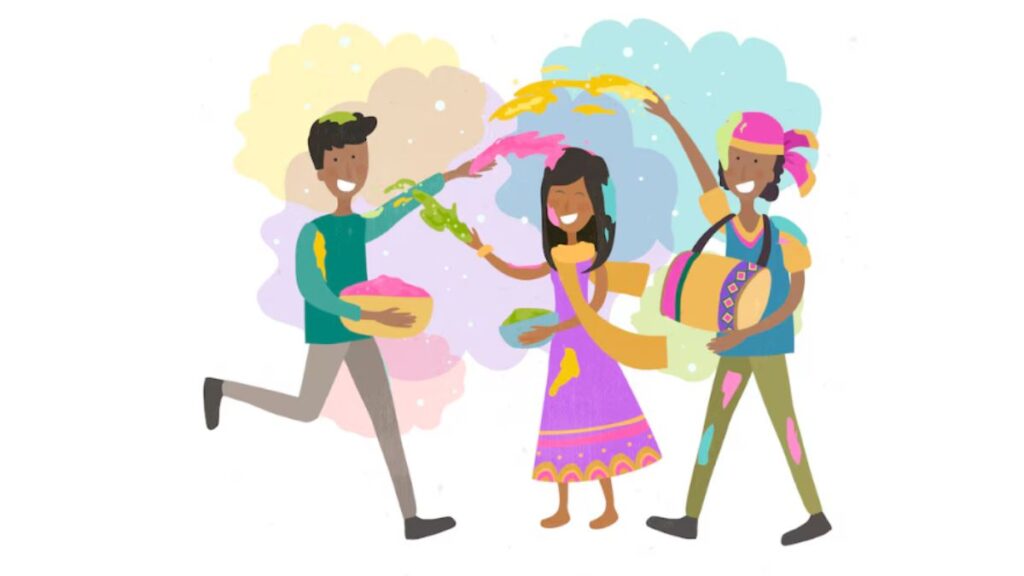
During these events, colorful costumes inspired by historical attire are worn with pride. Traditional music fills the air, inviting everyone to join in dancing and celebrating together.
Art plays a central role as well. Local artisans create pieces that reflect the essence of Ciulionero culture. These artworks often showcase intricate designs that tell stories of resilience and community spirit.
Food is another essential aspect of these celebrations. Recipes passed down through generations bring families together at communal feasts, where flavors unite people from diverse backgrounds.
Social media platforms amplify awareness about Ciulioneros today, connecting various communities globally and encouraging participation in cultural exchange programs that foster understanding and appreciation for this rich heritage.
Impact on Global Heritage and Diversity
The Ciulioneros embody a rich tapestry of traditions that enhance our understanding of global heritage. Each community carries unique practices, stories, and artistic expressions that contribute to cultural diversity.
Their vibrant celebrations reflect deep-rooted values passed down through generations. These festivities not only preserve their history but also foster connections among diverse populations.
As cultures blend, the influence of Ciulioneros can be seen in various art forms, music styles, and culinary delights. This cross-pollination enriches local communities while inspiring broader appreciation for multiculturalism.
Moreover, engaging with Ciulionero culture promotes dialogue about inclusivity. It challenges stereotypes and encourages openness toward different ways of life.
In essence, embracing the legacy of Ciulioneros strengthens our shared human experience and underscores the importance of celebrating differences as a means to unite us all.
Promoting Inclusivity through the Celebration of Ciulioneros
The celebration of Ciulioneros plays a pivotal role in promoting inclusivity. By embracing their vibrant traditions, communities can foster understanding and appreciation for diverse cultures.
Festivals centered around Ciulioneros invite people from all backgrounds to participate. This interaction nurtures dialogue and respect among different groups. It is through shared experiences that barriers diminish.
Cultural workshops focusing on Ciulionero art forms encourage collaboration between artists from various heritages. These creative exchanges enhance mutual respect while showcasing the richness of human expression.
Local businesses also thrive when they engage with Ciulionero celebrations, fostering economic inclusivity. Craft vendors sharing handmade goods open doors for cultural exchange and economic opportunity.
Celebrating the essence of Ciulioneros strengthens community bonds and embraces diversity as a vital component of our global heritage.
Conclusion
Ciulioneros are more than just a cultural group; they embody the rich tapestry of human experience. Their history and traditions reflect resilience, creativity, and community spirit. By celebrating Ciulioneros, we not only honor their unique contributions but also embrace the broader concept of cultural diversity.
The stories woven into their practices inspire us to appreciate our differences while recognizing what unites us as humanity. As we continue to learn from each other, the celebration of Ciulioneros serves as a reminder that every culture adds value to our shared global heritage.
Promoting inclusivity through these celebrations enhances mutual respect and understanding across boundaries. It’s essential for future generations to recognize this legacy as they navigate a world that thrives on diversity.
By embracing the essence of Ciulioneros, we pave the way for richer dialogues about identity and belonging in an interconnected world. Let’s celebrate together!



![Why Laura Deibel is a Role Model for Aspiring [Professionals/Creatives]](https://therawrap.co/wp-content/uploads/2026/03/Laura-Deibel-150x150.jpg)