
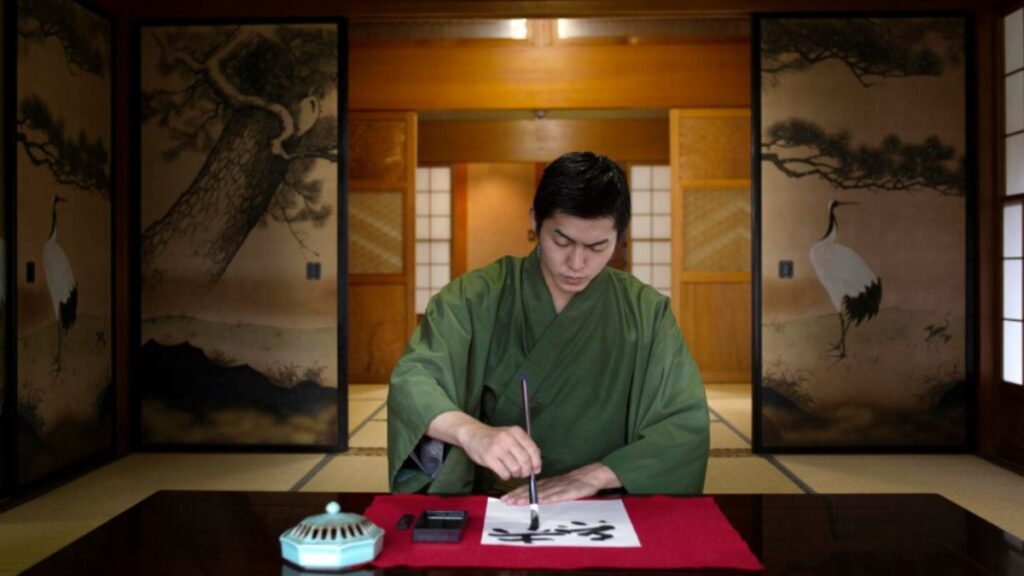
Introduction to the Art of Nomurano
Japan is a land rich in tradition, where ancient practices blend seamlessly with the modern world. Among its many artistic treasures lies Nomurano, a craft that embodies meticulous attention to detail and deep cultural significance. This traditional Japanese craftsmanship is not just about creating beautiful pieces; it tells stories of history, heritage, and the tireless dedication of artisans. As we delve into the fascinating world of Nomurano, you’ll discover how this unique art form continues to thrive today while preserving its roots in Japan’s vibrant culture. Whether you’re an art aficionado or simply curious about global crafts, join us on this journey through the enchanting realm of Nomurano!
History and Origins of Nomurano
Nomurano traces its roots back centuries, deeply intertwined with Japan’s rich cultural tapestry. Originating in the Nomura region of Japan, this art form flourished during the Edo period. Craftsmen honed their skills and techniques, passing them down through generations.
Initially, Nomurano was practical—created for everyday use. Items like bowls and utensils showcased not just functionality but also aesthetic appeal. The meticulous craftsmanship turned ordinary objects into cherished works of art.
As time progressed, the style evolved. Artists began incorporating intricate designs and unique glazes that reflected nature’s beauty. This transformation marked a pivotal moment in Nomurano’s history as it gained recognition beyond local borders.
Cultural shifts further shaped its development. The influence of Zen philosophy emphasized simplicity and harmony in design, creating a distinct identity for Nomurano artistry within traditional Japanese crafts.
The Process of Creating Nomurano Artwork
Creating Nomurano artwork is a meticulous process that demands patience and precision. It begins with selecting high-quality wood, often sourced from local forests. Each piece of timber carries its own character.
Artisans carefully shape the wood using traditional hand tools. This stage requires not only skill but also an understanding of the material’s properties. With each cut, they reveal the beauty within.
Once shaped, artisans apply natural finishes to enhance the grain and color. These are often made from plant-based oils or waxes that protect while showcasing the wood’s innate qualities.
The final touches involve intricate carving or inlay work, which may include symbolic motifs reflecting Japanese culture and nature. Each creation tells a story, rooted deeply in tradition yet infused with personal artistry.
This labor-intensive journey transforms raw materials into stunning expressions of craftsmanship that embody both history and innovation.
Traditional Techniques and Tools Used
Nomurano craftsmanship relies heavily on traditional techniques passed down through generations. Artisans use methods that highlight the beauty of natural materials, emphasizing texture and color.
One prominent technique is “kintsugi,” where broken pottery is repaired with lacquer mixed with gold or silver dust. This method not only restores but also celebrates imperfections, making each piece unique.
The tools used in Nomurano are simple yet effective. Handcrafted chisels, knives, and brushes allow artisans to execute intricate designs and delicate patterns. Each tool has a specific purpose, ensuring precision in every stroke.
Additionally, wood from indigenous trees like cedar and cypress is often selected for its durability and aesthetic appeal. The selection process itself showcases an understanding of nature’s gifts.
These traditional approaches create more than art; they forge connections between the artisan and their cultural heritage while producing timeless pieces cherished by collectors worldwide.
Famous Nomurano Artists and Their Masterpieces
Among the luminaries of Nomurano, one artist stands out: Masaki Yamamoto. Known for his intricate designs and meticulous attention to detail, Yamamoto’s work embodies the spirit of traditional craftsmanship. His pieces often feature nature motifs, reflecting Japan’s profound relationship with its landscapes.
Another remarkable figure is Akiko Hirose. Her innovative approach blends age-old techniques with contemporary aesthetics. Hirose’s use of color and texture has breathed new life into Nomurano art, attracting a younger audience eager to connect tradition with modernity.
Then there’s Takashi Fujimoto, whose sculptures challenge conventional forms while honoring historical significance. Each piece tells a story rooted in cultural heritage yet resonates on a personal level.
These artists not only preserve Nomurano traditions; they also push boundaries, ensuring this beautiful craft evolves while remaining deeply connected to its origins. Their masterpieces invite admiration and provoke thought about the role of art in society today.
Modern Adaptations and Innovations in Nomurano Craftsmanship
Nomurano craftsmanship has gracefully evolved, integrating modern techniques while honoring traditional roots. Artists today experiment with contemporary materials, blending wood with resin and metal to create striking contrasts.
Digital technology also plays a significant role in innovation. Laser cutting and CNC machines are utilized for precision that was once achieved by hand alone. This fusion opens doors to new creative expressions within the Nomurano style.
Sustainability is another crucial aspect of today’s adaptations. Many artisans now source their materials ethically, ensuring that their work respects nature while captivating audiences.
Moreover, collaborations between Nomurano artists and designers from other fields have led to unique pieces that reflect a cross-cultural dialogue. These innovations keep the art form alive and relevant in our fast-paced world, making it accessible to a broader audience who appreciate both tradition and modernity.
The Significance and Cultural Impact of Nomurano Art
Nomurano art embodies the essence of Japanese culture, reflecting centuries of heritage and tradition. Its intricate designs and meticulous craftsmanship tell stories that resonate deeply within communities. Each piece serves as a connection to Japan’s past, preserving techniques passed down through generations.
The spiritual significance of Nomurano is profound. It often incorporates elements from nature, symbolizing a harmonious relationship with the environment. This connection fosters an appreciation for sustainability in modern times.
In recent years, Nomurano has gained global recognition, influencing contemporary artists worldwide. The blend of traditional methods with modern aesthetics invites new interpretations while respecting its roots.
Art collectors seek Nomurano pieces not just for their beauty but also for their cultural narratives. Owning such artwork means possessing a fragment of history, making it invaluable to both connoisseurs and casual admirers alike.
How to Appreciate and Collect Nomurano Pieces
Appreciating Nomurano pieces begins with understanding their intricate details. Take time to examine the craftsmanship. Notice the textures and colors that reflect traditional Japanese aesthetics.
When collecting, seek authenticity. Work with reputable galleries or artisans who can provide provenance for each piece. This knowledge adds value to your collection and enhances your appreciation.
Attend exhibitions or workshops dedicated to Nomurano art. Engaging directly with artists offers insights into their creative processes and inspirations.
Consider how these pieces fit into your space. The harmony of a Nomurano work can elevate an environment, bringing warmth and culture into any room.
Connect with other collectors or enthusiasts online or in local communities. Sharing experiences helps deepen your understanding while fostering a passion for this unique craft. Each conversation opens new perspectives on the beauty of Nomurano artistry.
Conclusion
The world of Nomurano is a fascinating blend of history, artistry, and cultural significance. This traditional Japanese craft embodies the spirit of craftsmanship that has been passed down through generations. Each piece tells a story, reflecting the techniques and dedication of its maker.
As you explore this art form further, consider how Nomurano pieces resonate with both tradition and modernity. Whether you are an avid collector or simply an admirer, there’s much to appreciate in every detail crafted by skilled hands.
Nomurano isn’t just about aesthetics; it’s about preserving a rich heritage and embracing innovation. The journey into this unique realm invites everyone to connect with Japan’s artistic legacy while inspiring future generations to continue the tradition.
Engaging with Nomurano can enrich your understanding of culture and creativity. So take a moment to discover these beautiful works—each one holds the essence of its creator within it.