
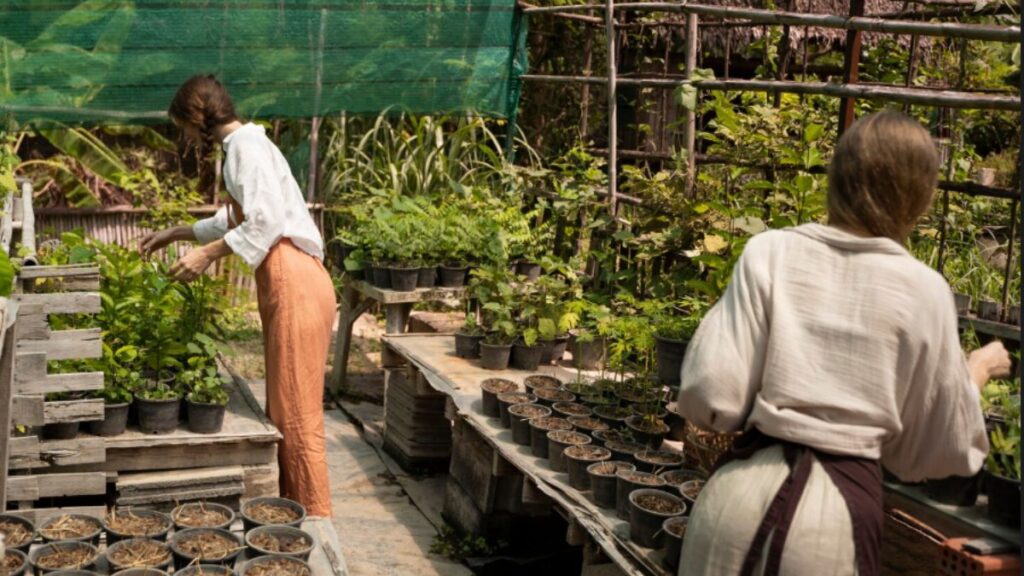
Introduction to Ag-Kunst-Kultur Initiatives
Ag-Kunst-Kultur initiatives are a fascinating intersection of agriculture, art, and culture. They represent an innovative approach to community building while promoting environmental stewardship. As the world grapples with climate change and the urgent need for sustainable practices, these initiatives shine as beacons of hope. They not only enrich local cultures but also nurture our planet.
Imagine walking through an art installation nestled within a thriving farm, where every brushstroke tells a story about sustainability and connection to nature. This is where creativity meets conscientious living—a space that redefines how we think about food production and cultural expression. The fusion of agriculture with artistic endeavors creates vibrant spaces that inspire communities to engage in sustainable practices.
As we delve deeper into Ag-Kunst-Kultur initiatives, we’ll explore their significance in promoting sustainability. Through collaborative efforts among artists, farmers, and local residents, these projects encourage us all to rethink our relationship with the environment while celebrating the beauty of diverse cultures intertwined with nature’s bounty. Join us on this journey as we uncover the profound impact of sustainability in Ag-Kunst-Kultur initiatives.
Understanding Sustainability and its Importance
Sustainability is more than a buzzword. It embodies the balance between meeting today’s needs and ensuring future generations can thrive. This delicate equilibrium hinges on ecological health, economic viability, and social equity.
In agriculture, sustainability means using resources wisely. It emphasizes practices that preserve the environment while supporting local communities. Sustainable methods reduce waste and promote biodiversity.
Understanding its importance goes beyond just environmental concerns. Healthy ecosystems lead to robust economies and resilient communities. When farmers adopt sustainable practices, they ensure food security for all.
Moreover, consumers increasingly demand transparency in how their food is produced. They seek assurance that their choices contribute positively to the planet’s health or local cultures’ vibrancy.
The push for sustainability resonates deeply within Ag-Kunst-Kultur initiatives, where art becomes a vehicle for change in agricultural landscapes while fostering community connections through creative expression.
How Ag-Kunst-Kultur Initiatives Promote Sustainability
Ag-Kunst-Kultur initiatives serve as a vibrant bridge between agriculture, art, and culture. By intertwining these elements, they create spaces that celebrate biodiversity and environmental consciousness.
Art installations often utilize sustainable materials sourced from local farms. This practice not only reduces waste but also fosters community engagement in eco-friendly methods.
Workshops within these initiatives educate participants about permaculture and organic farming techniques. These learning experiences encourage individuals to implement sustainable practices in their own lives.
Additionally, local artists frequently collaborate with farmers to produce works that raise awareness about sustainability issues. This partnership amplifies the message of conservation while supporting the local economy.
Through exhibitions and events focused on agricultural themes, Ag-Kunst-Kultur encourages dialogue around ecological stewardship, inspiring others to adopt greener lifestyles. The fusion of creativity and sustainability creates an enduring impact on both the environment and cultural heritage.
Case Studies: Successful Examples of Sustainable Ag-Kunst-Kultur Projects
One remarkable example is the “Green Art Garden” in Germany. This project combines community gardening with art installations. Local artists create sculptures using recycled materials, encouraging visitors to engage with both nature and creativity. The garden not only provides fresh produce but also serves as a platform for environmental education.
Another inspiring initiative is the “Kunst im Garten” in Austria. Here, urban farming meets public art through seasonal exhibitions that highlight sustainable agricultural practices. Artists collaborate with farmers to design interactive installations that educate participants on local biodiversity.
In Italy, the “Sustainable Sculpture Park” showcases large-scale eco-friendly artworks made from natural elements like clay and wood. This park promotes biodiversity while enhancing visitor awareness about conservation efforts tied to agriculture and culture.
These examples illustrate how Ag-Kunst-Kultur initiatives can merge sustainability with artistic expression, creating vibrant spaces that benefit communities and the environment alike.
Challenges and Solutions in Implementing Sustainable Practices in Ag-Kunst-Kultur
Implementing sustainable practices in Ag-Kunst-Kultur presents several challenges. One major issue is the lack of awareness among stakeholders. Many artists, farmers, and community members may not fully understand the benefits of sustainability.
Financial constraints also pose a significant barrier. Transitioning to eco-friendly methods often requires upfront investment that some projects simply cannot afford.
Another challenge lies in balancing artistic expression with ecological responsibility. Artists might feel restricted by sustainable guidelines, fearing it could stifle their creativity.
However, solutions exist. Education and workshops can enhance understanding and enthusiasm for sustainable practices within communities. Collaborative funding models can help ease financial burdens by pooling resources from various stakeholders.
Additionally, integrating sustainability into creative processes can inspire innovation rather than inhibit it. By showcasing successful examples, practitioners can demonstrate that art, agriculture, and environmental stewardship are not mutually exclusive but complementary forces driving positive change.
The Future of Sustainability in Ag-Kunst-Kultur Initiatives
The future of sustainability in Ag-Kunst-Kultur initiatives looks promising, driven by innovation and community engagement. As awareness grows, artists and farmers are collaborating more than ever to create eco-friendly projects.
New technologies will play a crucial role. From smart farming techniques to digital art that emphasizes environmental themes, these advancements can inspire sustainable practices across communities.
Education will also be key. Workshops and outreach programs can empower the next generation about sustainable agriculture’s importance intertwined with artistic expression.
Moreover, as consumers increasingly seek transparency in sourcing, there’s potential for Ag-Kunst-Kultur initiatives to meet this demand through local partnerships and organic practices.
The synergy between agriculture and art offers endless possibilities for fostering a deeper connection to nature while promoting sustainability at every level. This relationship not only cultivates creativity but also nurtures our planet for years to come.
Conclusion
The intersection of agriculture, art, and culture is not just a creative endeavor; it serves as a powerful platform for promoting sustainability. Ag-Kunst-Kultur initiatives are redefining how communities interact with their environment while fostering creativity and innovation. By focusing on sustainable practices, these projects not only enhance the beauty of landscapes but also ensure the health of ecosystems.
The successful case studies we’ve explored demonstrate that sustainability can thrive in diverse contexts. Whether it’s through community gardens or artistic installations utilizing recycled materials, the possibilities are endless. Yet, challenges remain—resource limitations and conflicting interests often hinder progress. Nevertheless, innovative solutions continue to emerge.
Looking ahead, there’s immense potential for Ag-Kunst-Kultur to evolve further into a driving force for ecological awareness and action. As society increasingly recognizes the need for sustainable living, these initiatives will play a pivotal role in shaping environmentally conscious communities.
Engaging with Ag-Kunst-Kultur means embracing an ethos that values both artistry and responsibility towards our planet. The journey forward is filled with opportunities to inspire change through collaboration between artists, farmers, educators, and policymakers alike. Each step taken toward integrating sustainability within this unique cultural framework fosters resilience—a vital ingredient in nurturing both people and our precious earth.