
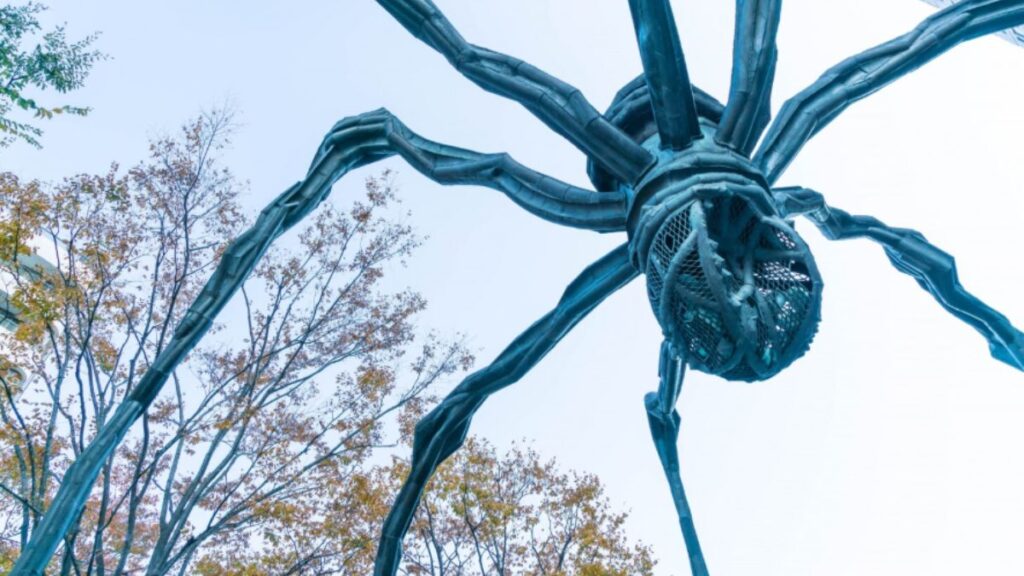
Introduction to Marpesthtic
Welcome to the captivating world of Marpesthtic, where nature meets design in a harmonious blend that transforms spaces into serene sanctuaries. This innovative approach is more than just an aesthetic; it represents a lifestyle choice that prioritizes well-being while celebrating the beauty of the natural environment. As urbanization continues to rise, our longing for connection with nature grows stronger. Marpesthtic offers a refreshing solution by integrating organic elements into architecture and interior design. Dive into this exploration of how we can create environments that nurture both body and soul through thoughtful design choices inspired by the great outdoors.
The Importance of Nature in Design
Nature serves as a powerful muse in the world of design. Its colors, forms, and textures inspire creativity and innovation.
Incorporating elements from nature can evoke emotions and create harmony within spaces. Designers who embrace this often find themselves tapping into a deeper emotional resonance with their audience.
Natural light plays a crucial role too. Well-lit environments enhance mood and productivity while reducing stress levels.
Moreover, integrating greenery through plants or natural motifs fosters connection to the outdoors. This connection is vital in urban settings where concrete often dominates.
The rhythms of nature influence spacing, shapes, and materials used in various designs. By observing these patterns, designers can craft spaces that feel organic yet modern.
Celebrating nature in design enriches our experiences and elevates aesthetics beyond mere functionality.
Examples of Marpesthtic Design in Architecture
Marpesthtic design finds its roots in the seamless blend of nature and architecture, creating spaces that breathe. One notable example is the Eden Project in Cornwall, England. Its geodesic domes house a vast array of plants from different climates, showcasing how human-made structures can coexist with diverse ecosystems.
Another striking instance is Fallingwater by Frank Lloyd Wright. Built over a waterfall, it embodies harmony between architecture and landscape. The home’s organic materials complement the surrounding forest, inviting nature indoors.
The Bosco Verticale in Milan exemplifies urban Marpesthtic principles through vertical gardens on residential towers. This innovative approach not only enhances aesthetics but also improves air quality.
The Green School in Bali integrates natural elements into learning environments using bamboo as its primary material. These designs remind us that incorporating nature isn’t just beneficial; it’s essential for inspiring creativity and sustainability within our built environment.
Incorporating Nature into Interior Design
Bringing nature indoors transforms spaces into tranquil sanctuaries. Plants, textures, and natural light are key players in this journey.
Start with greenery. Incorporate potted plants or hanging gardens to add life and color. They not only beautify but also purify the air.
Textures matter too. Use materials like wood, stone, and woven fabrics for a warm touch that echoes the outdoors. These elements create a tactile experience that feels grounded.
Natural light is essential in any design strategy. Large windows or skylights can flood your space with sunlight, fostering a connection between inside and outside.
Artwork that depicts nature can enhance the ambiance further. Choose pieces that reflect landscapes or botanical themes to keep nature close at hand.
Consider scents derived from natural sources—think candles made from beeswax or essential oils positioned strategically around your home for an aromatic embrace of the wild.
Eco-Friendly Materials and Techniques for Marpesthtic Designs
Eco-friendly materials play a pivotal role in Marpesthtic design. Using sustainable resources not only minimizes environmental impact but also enhances the connection to nature.
Bamboo is an excellent choice for flooring and furniture. This fast-growing plant renews quickly, making it a responsible option. Reclaimed wood adds character while reducing waste.
Natural textiles like organic cotton or linen bring warmth to spaces without harmful chemicals. These materials breathe easily, promoting better indoor air quality.
Techniques such as passive solar design utilize sunlight to heat and light interiors naturally. Green roofs can support biodiversity while insulating buildings effectively.
Employing low-VOC paints ensures that the aesthetics remain vibrant without compromising health. Each choice reflects a commitment to sustainability within the Marpesthtic ethos, merging beauty with responsibility seamlessly.
The Psychological Benefits of Marpesthtic Environments
Marpesthtic environments offer a refreshing break from the chaos of urban life. They create calming spaces that promote mental clarity.
The presence of natural elements enhances mood and reduces stress levels. Greenery, sunlight, and water features foster a sense of peace. People often find themselves more focused in these settings.
Studies show that nature-inspired designs can improve overall well-being. Exposure to plants and organic materials boosts creativity and productivity.
Additionally, Marpesthtic spaces encourage social interaction and community bonding. Whether at home or work, they invite collaboration while nurturing relationships.
Incorporating these elements into daily life is not just aesthetic; it’s transformative for the mind. Embracing this design philosophy opens doors to healthier living experiences all around us.
How to Create a Marpesthtic Space in Your Home or Office
To create a Marpesthtic space, start by integrating natural elements. Bring in greenery through potted plants or vertical gardens. These not only purify the air but also add vibrant life to your surroundings.
Next, consider using large windows to invite ample sunlight. Natural light can transform any room, making it feel more expansive and connected to nature.
Incorporate organic materials like wood and stone for furniture and decor. These textures evoke a sense of warmth and familiarity while maintaining an earthy vibe.
For colors, choose soft earth tones that mimic the outdoors. Shades of green, browns, and blues can help create a serene atmosphere that promotes relaxation.
Don’t forget about sound! Incorporating water features or soothing music inspired by nature adds another layer to your environment’s tranquility. Your space will reflect harmony between design and the beauty of nature.
The Future of Marpesthtic Design
The future of Marpesthtic design is bright and full of potential. As we become more aware of environmental issues, the demand for nature-infused spaces will only grow.
Advancements in technology are helping architects and designers create innovative structures that harmonize with their surroundings. Green roofs, living walls, and bio-reactive materials are just a glimpse into what’s possible.
Sustainability will play a crucial role in shaping this movement. Designers will increasingly prioritize eco-friendly practices, ensuring that every element contributes to both aesthetics and efficiency.
Moreover, as urban areas expand, incorporating nature within these environments becomes vital. Parks integrated into buildings or community gardens on rooftops could redefine city life while promoting well-being.
With the rising popularity of remote work, there’s also an opportunity to blend natural elements into home offices. This shift can lead to greater productivity and enhanced mental health for individuals working from home or shared spaces.
Conclusion
Marpesthtic embodies a unique blend of nature and design, offering a refreshing perspective on how we interact with our surroundings. By prioritizing natural elements in architecture and interior spaces, we can create environments that not only look stunning but also feel rejuvenating.
The importance of integrating nature into our designs cannot be overstated. The examples of Marpesthtic architecture highlight the seamless connection between built spaces and their natural counterparts. Incorporating biophilic design principles elevates the aesthetic while fostering well-being.
As more people seek to bring these ideas into their homes or workplaces, utilizing eco-friendly materials becomes essential for truly authentic Marpesthtic designs. These choices make an environmental impact while enriching the sensory experience within a space.
Moreover, understanding the psychological benefits adds another layer to this movement. Spaces designed with Marpesthtic principles can reduce stress levels and enhance creativity, making them ideal for both relaxation and productivity.
Creating your own Marpesthtic environment is achievable with thoughtful planning. Small adjustments like adding plants or using organic textures can transform ordinary spaces into extraordinary ones infused with life.
Looking ahead, the future of Marpesthtic design appears promising as it continues to evolve alongside advancements in sustainable practices and technology. This trend not only enriches our lives but also deepens our connection to the world around us—something that will undoubtedly resonate for generations to come.