
Introduction to Crocolini
Imagine a creature that blends the grace of a reptile with the charm of an enigmatic wonder. Meet the Crocolini, a fascinating member of the animal kingdom that deserves your attention. With their captivating features and rich history, these creatures are more than just another entry in nature’s vast tapestry—they’re living connections to our planet’s evolutionary story. If you’re intrigued by wildlife and eager to expand your knowledge, Crocolini should definitely be on your radar. Let’s dive into what makes these remarkable animals worthy contenders for any wildlife encyclopedia!
What are Crocolini?
Crocolini are fascinating creatures often overlooked in the vast world of wildlife. These semi-aquatic reptiles belong to a unique family that bridges the gap between traditional crocodilians and other lesser-known species.
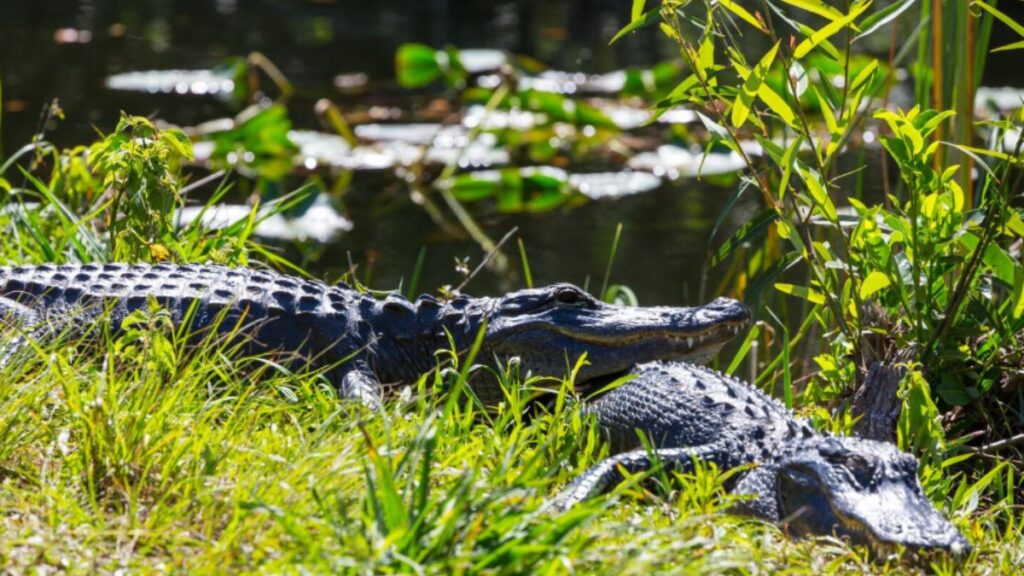
Characterized by their elongated bodies and armored skin, Crocolini exhibit remarkable adaptability. They thrive in both freshwater and brackish environments, showcasing an impressive range of habitats.
What sets them apart is their distinct behavior. Unlike typical crocodiles, Crocolini tend to be more social within certain groups. Their interactions can display intriguing dynamics that reveal much about their complex social structure.
In appearance, they boast vibrant colors and patterns that vary among species. This diversity makes them not only a subject of scientific interest but also a visual delight for wildlife enthusiasts everywhere.
The Evolution of Crocolini
The evolution of Crocolini is a fascinating journey through time. These creatures are part of the larger family of crocodyliforms, which have existed for over 200 million years.
Fossil evidence reveals that early ancestors adapted to numerous environments. They evolved from land-dwelling reptiles into semi-aquatic predators, showcasing remarkable adaptability.
Crocolini branched out around 80 million years ago, diversifying in size and shape. Some became smaller and specialized for specific habitats while others grew larger.
Their unique adaptations include elongated snouts and powerful limbs designed for both swimming and walking on land. This versatility has allowed them to thrive in various ecosystems across the globe.
Today’s Crocolini carry traits from their ancient lineage but also exhibit changes influenced by environmental pressures. The complex interplay of natural selection continues to shape these incredible reptiles as they navigate evolving challenges in their habitats.
Unique Characteristics of Crocolini
Crocolini are fascinating creatures with several distinct characteristics that set them apart from other reptiles. Their elongated bodies and powerful tails contribute to their impressive agility in both water and on land.
One standout feature is their armored skin, which offers protection while also aiding in temperature regulation. The tough scales help them blend into various environments, making them adept ambush predators.
Additionally, Crocolini possess specialized sensory organs located on their snouts. These organs allow them to detect vibrations and movements in the water, enhancing their hunting skills.
Their diet is equally interesting. They primarily consume fish but will opportunistically eat small mammals or birds when available. This adaptability makes Crocolini resilient survivors in fluctuating ecosystems.
Social behavior among Crocolini varies from solitary living to occasional group gatherings during breeding seasons, showcasing a level of social complexity not often seen in reptiles.
Habitat and Distribution
Crocolini thrive in diverse habitats, primarily found near freshwater sources. Their preferred environments include rivers, lakes, and wetlands. These regions provide essential resources for their survival.
Geographically, Crocolini are mostly distributed across tropical and subtropical areas. This includes parts of Africa, Asia, and South America. They often inhabit swamps and marshes where the water is rich in biodiversity.
The warm climate plays a crucial role in their lifestyle. It aids in regulating their body temperature while providing ample opportunities for hunting small prey.
Human activities have disrupted some of these natural habitats over time. Urbanization and pollution pose significant risks to their populations as suitable living spaces dwindle.
Protection of wetland ecosystems is vital for maintaining healthy Crocolini communities in the wild. Preserving these habitats ensures that they continue to flourish amidst changing environmental conditions.
Threats to Crocolini
Crocolini face numerous threats that jeopardize their survival. Habitat destruction is one of the most significant issues. Wetland drainage and urban development lead to shrinking living spaces.
Pollution also poses a serious risk. Contaminated water sources affect their health, reducing reproductive success. Heavy metals and chemicals accumulate in their bodies, leading to severe long-term effects.
Climate change impacts Crocolini habitats as well. Rising temperatures alter ecosystems, forcing them to adapt quickly or perish. The resulting changes can disrupt food chains essential for their survival.
Additionally, hunting remains a problem in some regions. Illegal poaching for skins or meat continues despite conservation laws aimed at protecting these unique creatures.
Each of these challenges contributes to declining populations, underscoring the urgent need for targeted conservation efforts tailored specifically to Crocolini’s needs.
Conservation Efforts for Crocolini
Conservation efforts for Crocolini are becoming increasingly vital as their numbers dwindle. Organizations around the globe are stepping up to protect these remarkable creatures.
Habitat restoration is a key focus. Efforts include reforesting areas where Crocolini thrive, ensuring they have access to clean water and ample prey.
Community awareness programs play a significant role too. Educating local populations about the importance of preserving Crocolini fosters coexistence and reduces human-wildlife conflict.
Research initiatives aim to better understand their behavior and ecology. This data drives effective conservation strategies tailored specifically for these unique reptiles.
Partnerships between governments, NGOs, and wildlife enthusiasts amplify the impact of conservation projects. Together, they create safe corridors for migration while implementing stricter anti-poaching measures.
Every effort counts in securing the future of Crocolini in our ecosystems. Their survival hinges on collective action from all sectors of society.
Interesting Facts about Crocolini
Crocolini are fascinating creatures that often capture the imagination of wildlife enthusiasts. They belong to a unique family, bridging the gap between crocodiles and more obscure reptiles.
One interesting fact about Crocolini is their remarkable adaptability. These animals can thrive in both freshwater and brackish environments, showcasing their versatile nature.
Additionally, Crocolini possess a distinctive skin texture that aids in camouflage. This helps them blend seamlessly into their surroundings, making them expert ambush predators.
Their diet is equally intriguing; they’re not picky eaters. From fish to small mammals, Crocolini exhibit impressive hunting skills.
Another captivating aspect lies in their social behavior. Unlike many solitary reptiles, some species display complex group dynamics during mating seasons or territorial disputes.
With such unique traits and behaviors, it’s easy to see why Crocolini intrigue researchers and wildlife lovers alike!
Conclusion: Why Crocolini Deserve a Spot in Your Wildlife Encyclopedia
Crocolini are fascinating creatures that capture the imagination of wildlife enthusiasts and scientists alike. Their unique characteristics and evolutionary history make them a remarkable subject for study. These reptiles, with their distinctive features, showcase the diversity of life on our planet.
As we explore their habitat and distribution, we gain insight into the delicate ecosystems they inhabit. Unfortunately, Crocolini face numerous threats that jeopardize their survival. Conservation efforts play a crucial role in protecting these species and ensuring future generations can appreciate them.
Moreover, interesting facts about Crocolini highlight just how special they are within the animal kingdom. From unique adaptations to intriguing behaviors, there’s so much to learn about these captivating animals.
Including Crocolini in your wildlife encyclopedia enriches your understanding of biodiversity and emphasizes the importance of conservation efforts around the globe. With every entry you add to your collection, you contribute to a greater appreciation for our planet’s extraordinary wildlife.